
THE USE OF ARTIFICIAL INTELLIGENCE IN TODAY'S WORLD
May 03, 2026 · By Danfoldio
*Introduction*
Artificial Intelligence, AI, refers to the ability of machines and computer systems to perform tasks that normally require human intelligence. These tasks include learning, problem-solving, decision-making, language understanding, and creativity. In the last decade, AI has moved from research labs into our homes, schools, offices, and phones.
*1. Key Areas Where AI Is Being Used*
- *Education*: AI powers personalized learning apps, automated grading, language translation, and tools that help students write, research, and design. Teachers use it to create lesson plans and explain complex topics faster.
- *Healthcare*: AI assists doctors in diagnosing diseases from X-rays, predicting outbreaks, and managing patient records. It speeds up drug discovery and offers 24/7 health chatbots.
- *Business & Work*: Companies use AI for customer service chatbots, data analysis, marketing design, and automating repetitive tasks. This saves time and reduces cost.
- *Creative Fields*: AI can generate art, music, videos, and written content. Designers use it to mock up banners, logos, and social media posts in minutes.
- *Daily Life*: From Google Maps predicting traffic, to Netflix recommending movies, to your phone’s camera enhancing photos – AI is already part of everyday routines.
*2. Benefits of Using AI*
- *Speed & Efficiency*: Tasks that took hours now take seconds.
- *Accessibility*: Small businesses and students can now access tools that were once expensive or complex.
- *Innovation*: AI helps people test ideas quickly, leading to new products, services, and art forms.
- *Personalization*: AI adapts to individual needs – like learning apps that adjust to a student’s weak areas.
*3. Challenges & Risks to Note*
- *Accuracy*: AI can make mistakes or “hallucinate” wrong facts. Human review is still critical.
- *Privacy*: Using personal data with AI tools can risk exposure if not handled properly.
- *Over-dependence*: Relying on AI for thinking or homework can weaken real skills if misused.
- *Job Concerns*: While AI creates new jobs, it also automates some old ones. The solution is learning to _work with_ AI, not compete against it.
- *Ethics*: AI can copy biases or generate inappropriate content if not guided well.
*4. Responsible Use of AI*
1. *Verify everything* – Don’t take AI output as final truth. Cross-check facts.
2. *Stay human-centered* – Use AI to assist, not replace human judgment, creativity, and empathy.
3. *Protect data* – Avoid sharing sensitive personal, financial, or private info with AI tools.
4. *Learn the skill* – The future belongs to those who know how to _prompt_, _edit_, and _direct_ AI tools.
5. *Give credit* – If AI helps you create something, be transparent when needed, especially in school or work.
*Conclusion*
AI is not here to take over. It is a tool – like a calculator, a library, or a paintbrush. In the right hands, it amplifies human ability. The goal is not to fear AI or worship it, but to understand it and use it wisely.
Related Articles

Actor Daniel Etim Effiong has won the hearts of many online following his emotional speech at his wife, Toyosi Etim-Effiong’s 40th birthday celebration.
May 11, 2026 · shareops
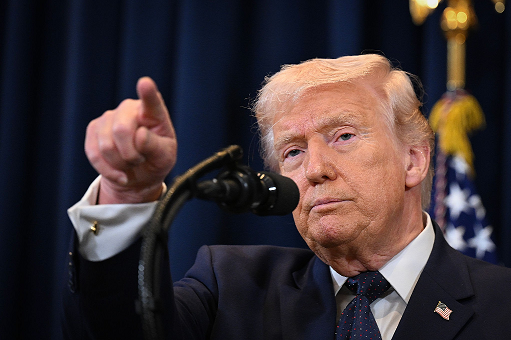
Hostilities have ended,” Trump says—May deadline for Congress to approve Iran action doesn’t apply
May 02, 2026 · joshy
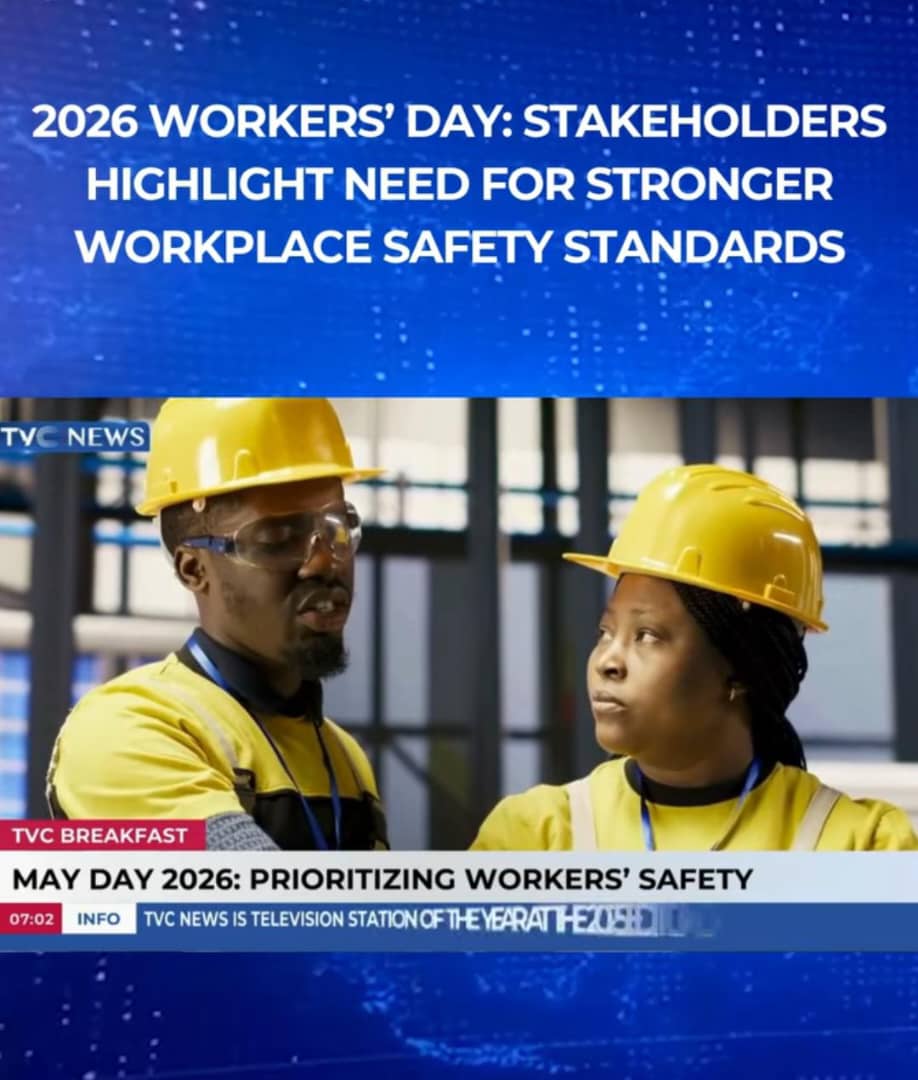
2026 Workers’ Day: Stakeholders Call for Stronger Workplace Safety Standards
May 01, 2026 · Airdroptheef
Comments
No comments yet. Be the first to comment!